Tools for the Mind & Body
The Huberman Lab Podcast discusses science and science-based tools for everyday life — focusing on neuroscience, health, performance, and well-being.

Latest Episodes
Science-based tools and protocols for mental health, physical performance, and overall well-being.
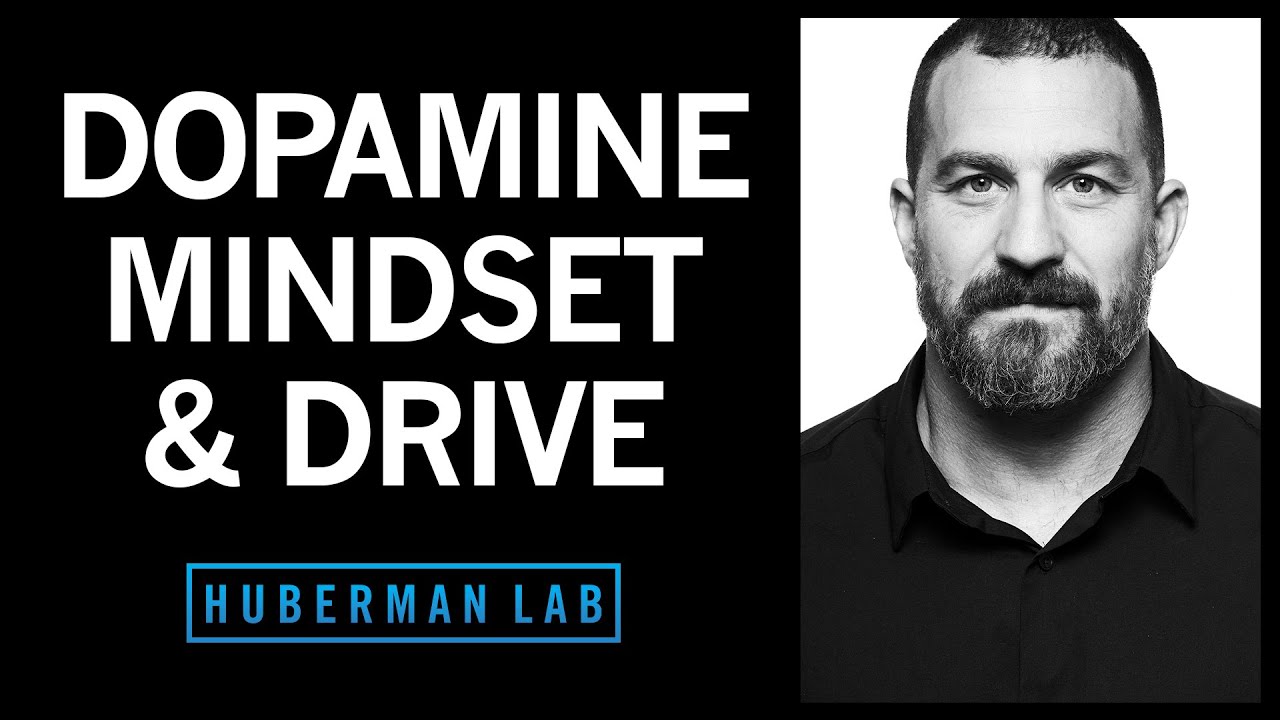
Control Your Dopamine For Motivation and Satisfaction
Learn science-based tools to optimize your dopamine levels, improve your mood, and achieve your goals.
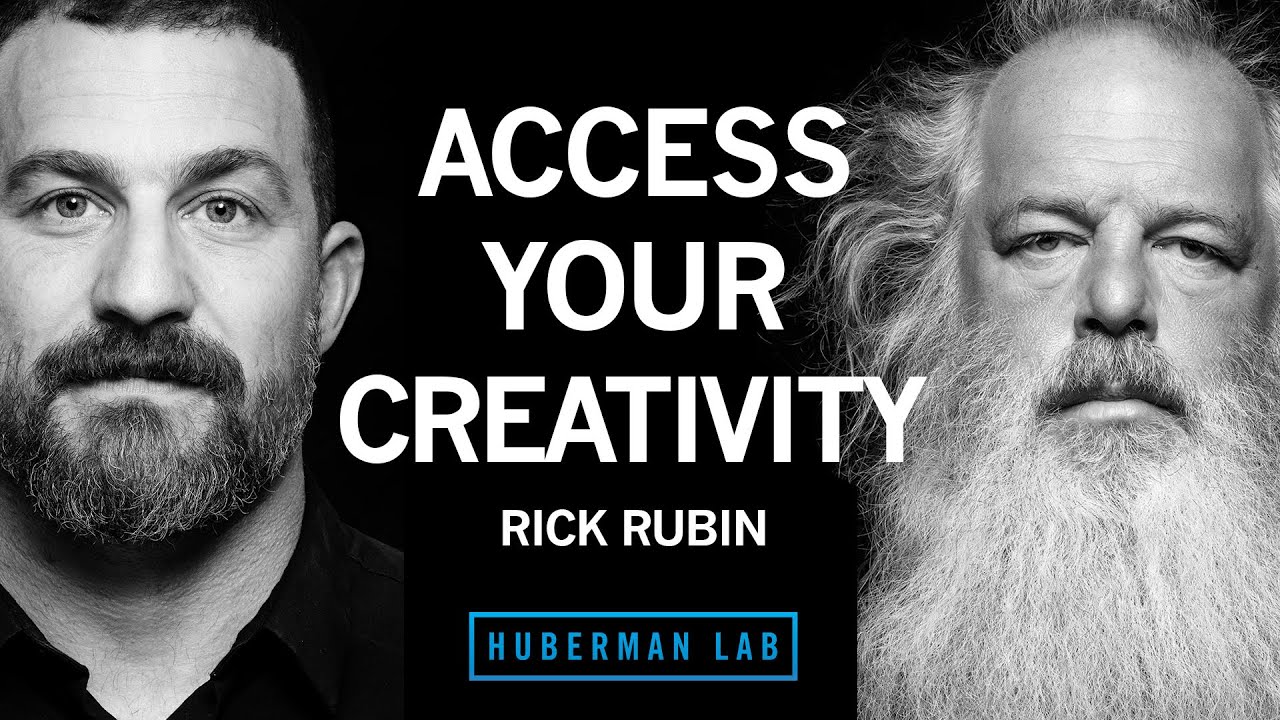
How to Access Your Creativity
Discovering the unknown can be beneficial for creativity, connecting us to the physical world and our imagination, and music from our teenage years can evoke powerful emotions.
Science of Muscle Growth, Increasing Strength & Muscular Recovery
Learn how our brain and nervous system control muscle tissue and how to leverage that for muscle maintenance, growth (hypertrophy) and recovery
How Your Brain Works & Changes - Neuroplasticity
An introduction to how the nervous system works to create sensations, perceptions, emotions, thoughts and behaviors, as well as how we can change our nervous system— a phenomenon known as neuroplasticity
Tools for Managing Stress & Anxiety
Discussion of what stress is, and how it recruits our brain and body to react in specific ways, the three main types of stress, and how two of them actually enhance the function of our immune system making us less vulnerable to infections
The Science of Emotions & Relationships
Learn the biology of emotions and moods in the context of relationships, the science of how early infant-caregiver attachment, combined with adolescence and puberty shapes our adult patterns of attachment. Also three universal aspects of emotions, the reality of right-brain versus left-brain personalities, and how the roots of adult attachment are also grounded in specific aspects of puberty.
Science-Based Protocols
Actionable tools and methods backed by neuroscience research to optimize your health and performance.
Morning Sunlight
Get 2-10 minutes of sunlight within 30-60 minutes of waking to regulate cortisol and circadian rhythm.
NSDR
Non-Sleep Deep Rest protocol to accelerate recovery, reduce stress, and enhance learning.
Cold Exposure
1-5 minutes of cold exposure to increase dopamine, reduce inflammation, and improve resilience.
Focus & Learning
90-minute focus blocks with deliberate decompression to enhance neuroplasticity and retention.

About Dr. Andrew Huberman
Dr. Andrew Huberman is a neuroscientist and tenured professor in the Department of Neurobiology at the Stanford University School of Medicine. He has made numerous significant contributions to the fields of brain development, brain function, and neural plasticity.
The Huberman Lab podcast is consistently ranked in the top 15 of all podcasts globally and is often ranked #1 in Science, Education, and Health & Fitness categories.
Stanford Professor
Neurobiology Department
Neuroscientist
15+ Years Research
Podcast Host
Top 15 Global
Educator
Science Communication
Research Focus Areas
Brain Plasticity
How the brain changes in response to experience and how to harness plasticity for learning and repair.
Vision & Fear
Neural mechanisms of vision and how the brain processes and regulates fear states.
Circadian Rhythms
How light exposure and timing mechanisms regulate sleep, mood, and hormone release.